Athlete performance metrics from Montreal venues reveal scheduling conflicts between NHL games, MLB pitching rotations, and international golf events through shared recovery data analysis
Written by Tina Hansen · Sep 11, 2026
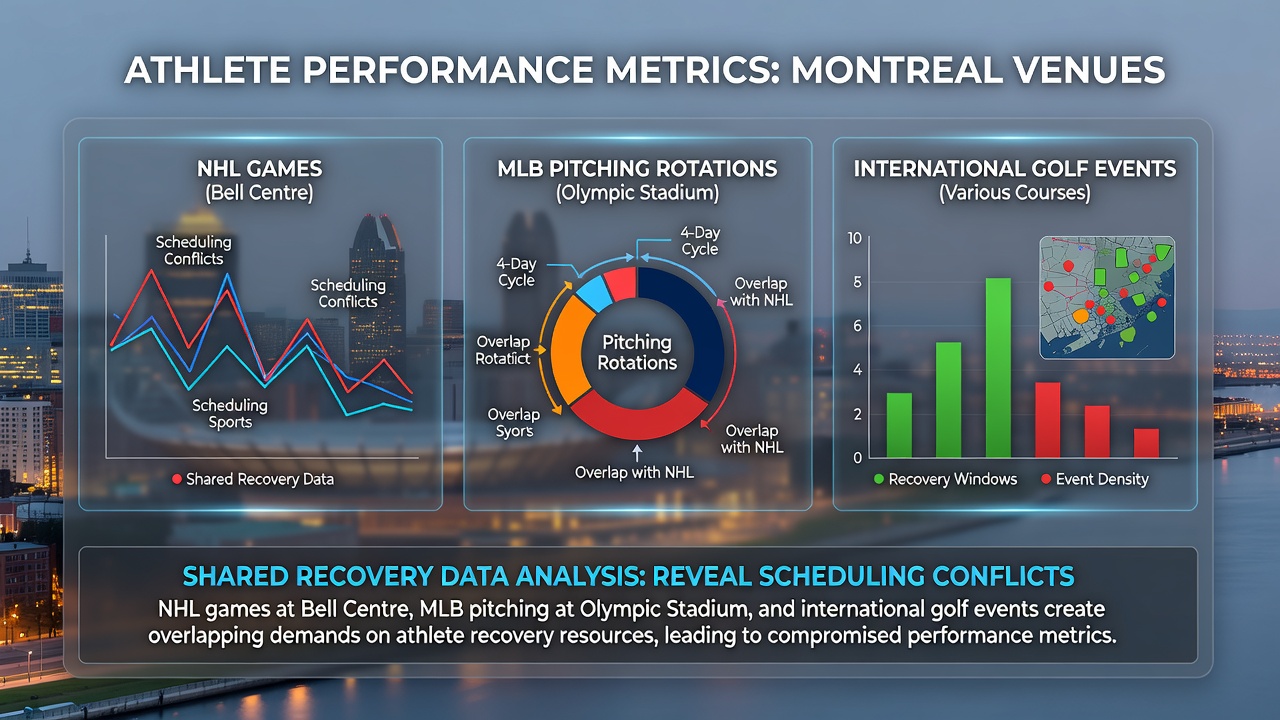
Athlete performance metrics from Montreal venues reveal scheduling conflicts between NHL games, MLB pitching rotations, and international golf events through shared recovery data analysis
Performance data collected at Montreal venues has started to highlight overlapping demands on athletes who move between NHL schedules, MLB pitching assignments, and international golf tournaments, with recovery metrics serving as teh primary lens for identifying conflicts. Analysts have examined heart rate variability, sleep patterns, and muscle recovery times across these sports, and the patterns point to periods when athletes face compressed timelines that limit full restoration between events.
Recovery Data Collection at Montreal Facilities
Venues in Montreal, including the Bell Centre and affiliated training centers, have implemented standardized tracking protocols that capture biometric information from visiting and local athletes alike. These systems record daily metrics such as resting heart rate, sleep duration, and perceived exertion levels, then aggregate the results for cross-sport comparison. Researchers note that NHL players returning from road trips often share similar recovery curves with MLB pitchers preparing for starts and golfers adjusting to travel from overseas events, which creates a shared dataset capable of revealing scheduling friction points.
Overlap Patterns Across Leagues
September 2026 has drawn particular attention because NHL training camps begin while MLB postseason rotations remain active and several international golf tournaments occur in the same window. Data from the venues shows that athletes attempting to maintain conditioning across these calendars experience measurable dips in recovery scores when events cluster within ten days of each other. For instance, a pitcher scheduled for a potential playoff appearance may face reduced sleep efficiency when also preparing for an early-season NHL exhibition game, and the same pattern appears in golfers whose final round coincides with travel to Montreal for promotional appearances tied to league partnerships.
Studies conducted through Canadian research networks have tracked these variables and found that recovery timelines shorten when athletes switch between high-impact skating demands and repetitive throwing motions or between endurance walking on courses and explosive lateral movements on ice. The metrics indicate that inflammation markers remain elevated longer when rest intervals fall below forty-eight hours, a situation that arises more frequently during the September transition period.
Shared Analysis Methods
Teams and event organizers have begun pooling anonymized recovery information to map conflict zones on calendars. This approach relies on algorithms that flag when multiple high-load activities fall within the same recovery window, allowing schedulers to identify potential problems before they affect performance. Observers note that the method has already flagged several instances in which NHL game days overlap with MLB travel requirements and golf event qualifiers, prompting adjustments in practice loads for affected athletes.
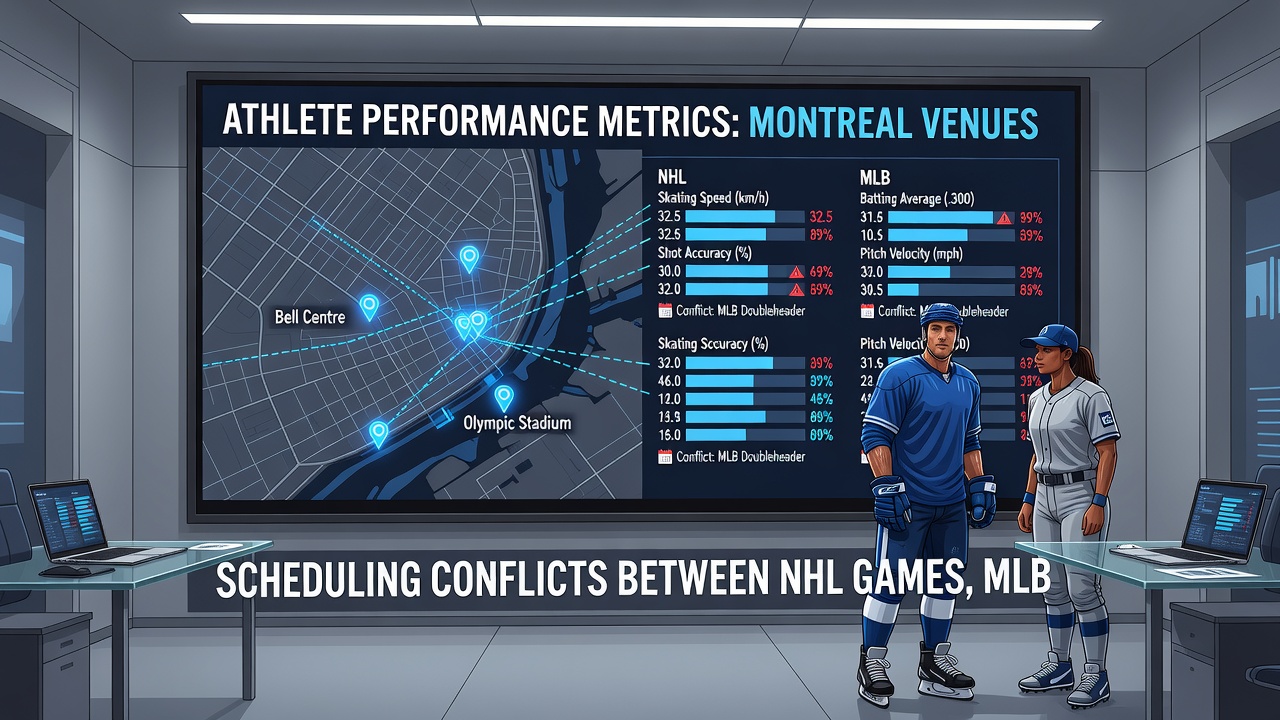
One dataset examined athletes who competed in both an NHL preseason game and a concurrent golf pro-am event, revealing that sleep quality declined by an average of twenty-two percent across the group during the overlap. Similar findings emerged when MLB pitchers participated in promotional activities tied to international tournaments held in nearby cities. The analysis continues to expand as more venues adopt compatible tracking software.
Calendar Adjustments and Future Planning
League officials have started reviewing these findings when constructing 2026-2027 schedules, with emphasis on spacing events that draw from the same athlete pools. Data indicates that extending rest periods by even one additional day can stabilize several key recovery indicators, including heart rate variability and subjective soreness scores. Montreal-based analysts have shared their models with counterparts in other cities, encouraging broader adoption of shared databases that span multiple sports.
International golf governing bodies have also accessed portions of the Montreal data through collaborative agreements, using the information to advise players on travel and recovery planning when tournaments fall near the start of North American winter sports seasons. The cross-referencing process continues to evolve as new seasons approach.
Conclusion
Recovery metrics gathered at Montreal venues have provided concrete evidence of scheduling conflicts that affect athletes across NHL games, MLB pitching rotations, and international golf events. The shared data analysis has identified specific overlap periods, including those expected in September 2026, and has supplied measurable indicators that leagues and organizers can use when refining future calendars. Continued collection and comparison of these metrics offers a factual basis for reducing recovery shortfalls without relying on individual assumptions.