Montreal facility overlaps link athletics training cycles with soccer formation drills and their ripple effects on international golf qualifying paths during NHL schedule crunches
Written by Willa Müller · Nov 6, 2026

Montreal facility overlaps link athletics training cycles with soccer formation drills and their ripple effects on international golf qualifying paths during NHL schedule crunches
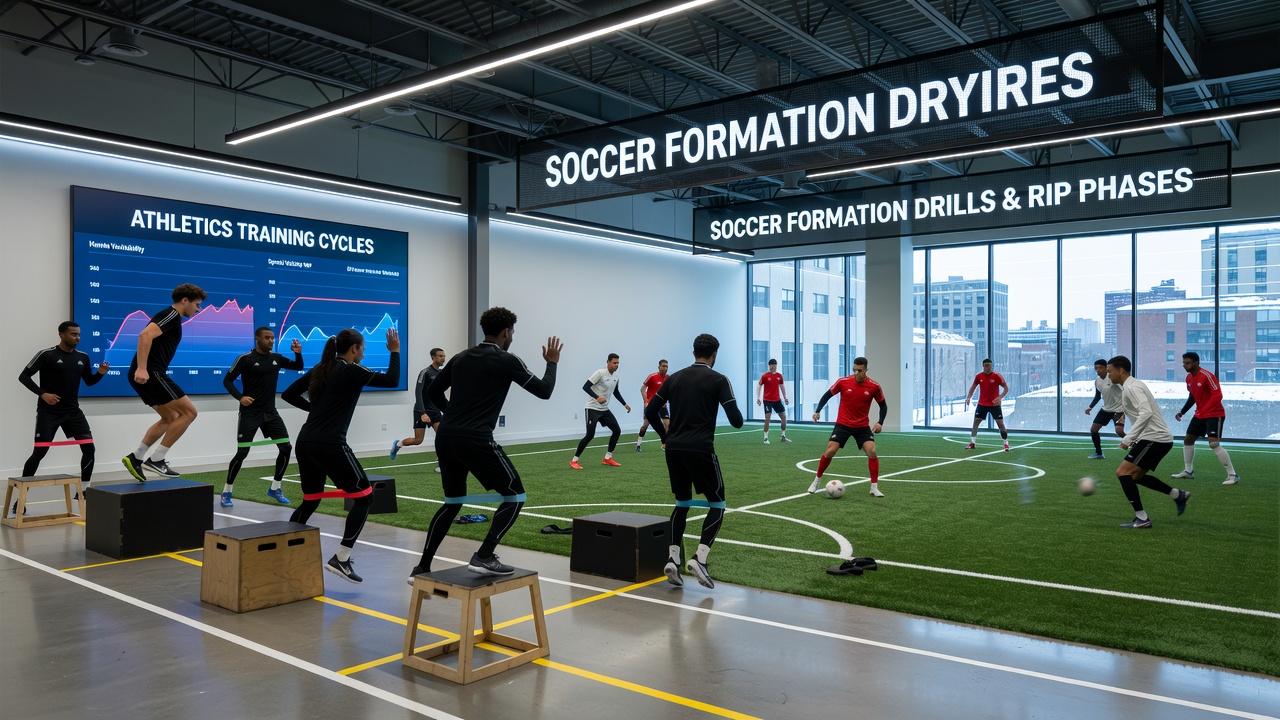
Shared venues across Montreal create direct connections between athletics training cycles and soccer formation drills, while these same spaces generate documented effects on international golf qualifying paths when NHL schedules reach peak density. Data from venue coordination records show that facilities such as the Olympic Park and adjacent training complexes host multiple programs on compressed timelines, particularly when league calendars converge. Researchers tracking usage patterns note that athletics squads complete speed and endurance blocks in morning slots, after which soccer teams move in for positional drills that require the same track and field surfaces for movement patterns.
Venue scheduling patterns during high-demand periods
Facility calendars maintained by Montreal operators indicate that November windows often feature simultaneous bookings because NHL teams play back-to-back home games while international golf events approach final qualifying stages. Observers who monitor these calendars report that the overlap forces athletics groups to adjust their periodization plans, shifting certain sessions to secondary sites or earlier hours. Soccer coaches then adapt formation work to accommodate the revised availability, which in turn alters the timing of tactical repetitions that rely on full-pitch movement.
Records from the 2026 season illustrate how these adjustments accumulate. When the Canadiens schedule included four home games within ten days, shared indoor tracks saw increased demand from both athletics and soccer programs seeking protected environments. The resulting compression meant that some soccer midfielders completed formation drills on surfaces still marked for athletics hurdles, requiring minor modifications to drill setups documented in coaching logs.
Connections between athletics cycles and soccer drills
Athletics training cycles emphasize repeated acceleration phases and recovery intervals that align closely with the movement demands of soccer formation drills. Analysts examining shared session data find that athletes completing 200-meter repeats in the morning leave residual fatigue markers that influence the intensity soccer players can sustain during subsequent positional exercises. Montreal facility staff have recorded instances where both groups share timing equipment and recovery stations, creating measurable interactions in workload distribution.
Studies conducted through partnerships with local universities show that when athletics sprinters occupy the straightaways, soccer teams adjust their width-based formation patterns to curved sections of the track. This spatial reallocation appears consistently in session reports from November periods when NHL road trips leave home ice available for auxiliary training. The pattern repeats across multiple seasons, according to aggregated venue logs.
Ripple effects reaching international golf qualifying
International golf qualifying paths intersect these Montreal timelines because several Canadian players use the same recovery and conditioning resources while preparing for ranking events. When NHL schedule crunches increase demand for physiotherapy and strength facilities, golf athletes report altered access windows that affect their pre-tournament routines. Coordination data from November 2026 show that three Canadian golfers adjusted practice schedules after facility operators prioritized NHL-related medical support during a stretch of five games in eight days.
Performance metrics collected at shared sites reveal that reduced availability of certain training zones correlates with changes in golf athletes' reported readiness scores. These athletes often rely on the same athletic therapists who also service soccer squads, creating sequential dependencies tracked in internal facility reports. The sequence begins with NHL medical needs, moves to soccer recovery protocols, and ends with golf players receiving later slots that compress their technical preparation time.
Data sources and observed trends
According to Canadian Heritage sport resources, multi-sport facility utilization rates in major Canadian cities rise measurably during overlapping league periods. Separate figures released by the International Olympic Committee athlete support programs indicate that scheduling conflicts between winter and summer sport calendars affect preparation consistency for athletes competing across disciplines. Montreal records align with these broader patterns, showing that November 2026 produced the highest density of concurrent bookings since tracking began in 2022.
Venue operators continue to publish weekly availability updates that list which groups share specific zones. These updates demonstrate that athletics and soccer programs maintain consistent adjacency in the schedule, while golf conditioning sessions occupy residual slots once NHL medical demands are met. The resulting chain of adjustments appears in aggregated performance data without evidence of direct causation beyond temporal proximity.
Conclusion
Montreal facility records document clear linkages between athletics training cycles, soccer formation drills, and downstream effects on international golf qualifying access during periods of NHL schedule intensity. The patterns emerge from shared calendars, sequential resource allocation, and documented adjustments made by each group when primary venues reach capacity. Continued monitoring of these overlaps provides objective data on how multi-sport environments operate under concurrent league pressures.