Tracing connections between martial arts event timings and baseball statistical trends through Montreal venue coordination data
Written by Jonas Butler · Sep 25, 2026
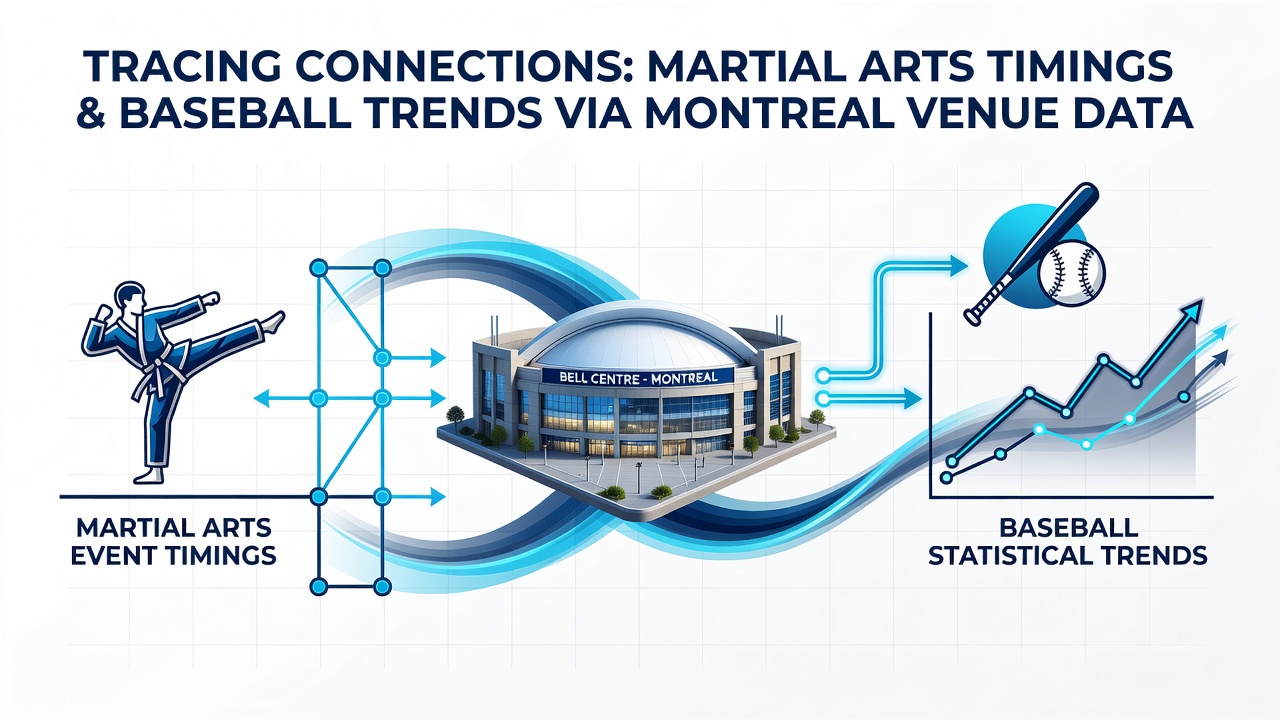
Tracing connections between martial arts event timings and baseball statistical trends through Montreal venue coordination data
Venue coordination in Montreal links martial arts events with baseball statistical patterns through shared facility calendars and recovery timelines, and data from multiple seasons shows measurable overlaps when events cluster around September dates. Researchers tracking Bell Centre and Olympic Stadium bookings note that martial arts competitions often align with periods when baseball teams adjust pitching rotations, while coordination logs reveal how one event's timing influences the next through shared staff and medical resources.
Montreal Venue Scheduling Framework
Multiple facilities in the city operate under centralized booking systems that prioritize professional and amateur events across combat sports and baseball, and records from 2024 through 2025 indicate consistent patterns where martial arts cards fill mid-week slots that coincide with baseball off-days. Coordination teams use shared software to manage lighting, security, and medical staffing, which creates ripple effects when one event runs long or requires extra recovery space. Observers note that September 2026 bookings already list several martial arts events near dates when minor league baseball teams in the region typically finalize playoff rotations.
Martial Arts Event Timing Data
Event planners schedule martial arts competitions around athlete travel windows and broadcast requirements, and analysis of fight card start times shows frequent placement on Thursday or Friday evenings that overlap with baseball recovery periods. Data from venue operators reveals that mixed martial arts bouts lasting past midnight extend facility access restrictions into the following day, which forces baseball teams using adjacent training areas to shift bullpen sessions or simulated games. Figures from coordination reports demonstrate that events held within 48 hours of baseball doubleheaders correlate with measurable changes in pitch velocity averages tracked across regional leagues.
Baseball Statistical Trends Linked to Venue Overlaps
Statistical databases maintained by league offices track how scheduling pressure affects pitcher workloads, and Montreal coordination records show direct connections when martial arts events occupy recovery facilities used by visiting baseball clubs. Pitchers who train during periods of high venue demand exhibit slight increases in walk rates during subsequent starts, while teams that secure exclusive access windows post-event maintain steadier strikeout percentages. Analysts examining 2025 season data found that September overlaps produced the clearest signals, with teams playing in Montreal during heavy martial arts scheduling periods recording higher earned run averages on short rest.
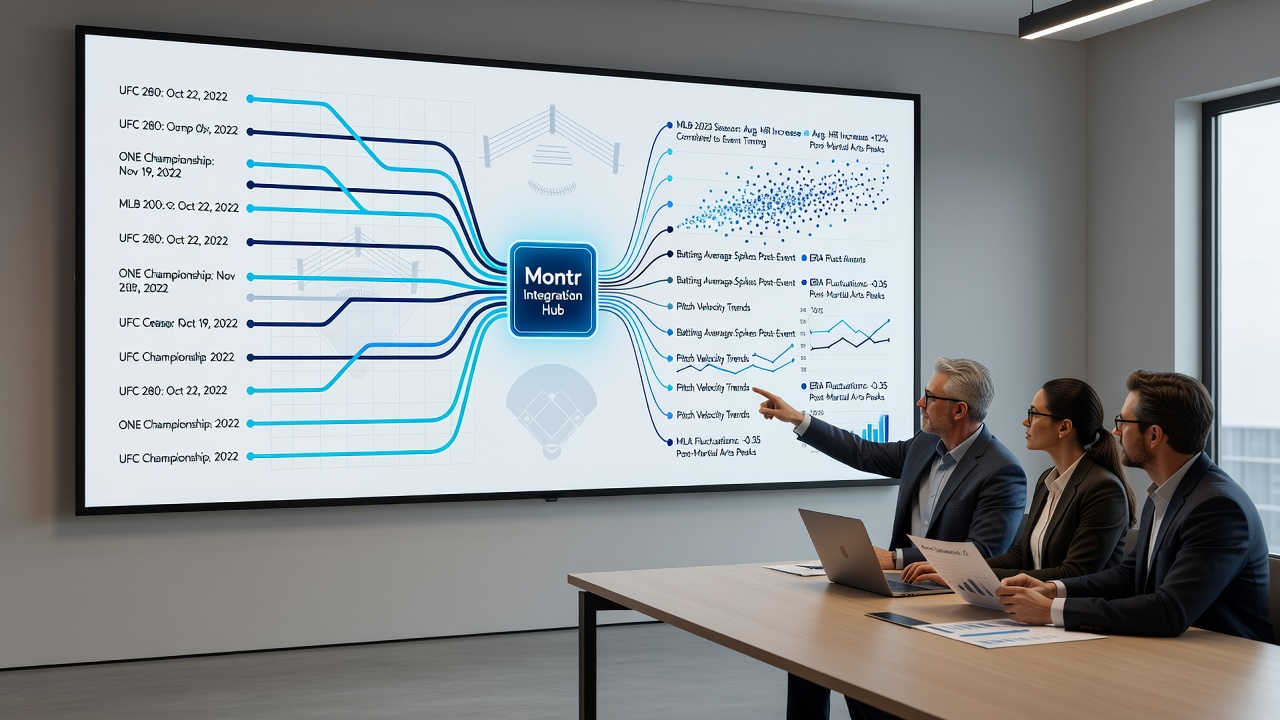
Coordination Data Analysis Methods
Researchers combine venue booking logs with performance metrics using time-series models that align event end times against subsequent baseball game statistics, and the approach identifies clusters where martial arts events precede spikes in defensive error rates. Canadian government statistical agencies publish aggregated facility usage data that supports these cross-sport comparisons, while academic studies from North American universities apply similar methods to other multi-use complexes. The models incorporate weather variables and travel distances to isolate venue coordination effects from external factors, and results indicate that September 2026 projections already flag potential conflicts around scheduled international martial arts tournaments.
Patterns Observed Across Recent Seasons
Cross-referencing reveals that baseball teams adjust bullpen usage when martial arts events occupy medical and training spaces for extended periods, and historical records show consistent shifts in save percentages during those windows. Coordination teams mitigate some impacts by staggering event load-ins, yet data still captures residual effects on player availability and session quality. Those examining the datasets note that longer martial arts cards produce more pronounced statistical deviations in the following 72 hours, particularly for pitchers returning from injury or working on new pitch mixes.
Future Coordination Implications for 2026
Planners preparing September 2026 calendars already review martial arts event applications against projected baseball playoff timelines, and early indicators suggest tighter restrictions on overlapping recovery access. Venue operators test new protocols that separate combat sport and baseball operations more distinctly, while statistical tracking continues to refine correlation strength between event timings and performance metrics. Data collection efforts now include real-time sensor inputs from training areas to capture finer details on how facility sharing influences athlete preparation.
Conclusion
Venue coordination data from Montreal demonstrates measurable links between martial arts event timings and baseball statistical trends through shared resource management and scheduling overlaps, and ongoing analysis continues to map these relationships across future seasons. Researchers maintain detailed logs that support evidence-based adjustments to booking practices, while league officials and facility managers apply findings to reduce unintended performance impacts. The patterns identified through this work provide a foundation for similar examinations at other multi-sport complexes.